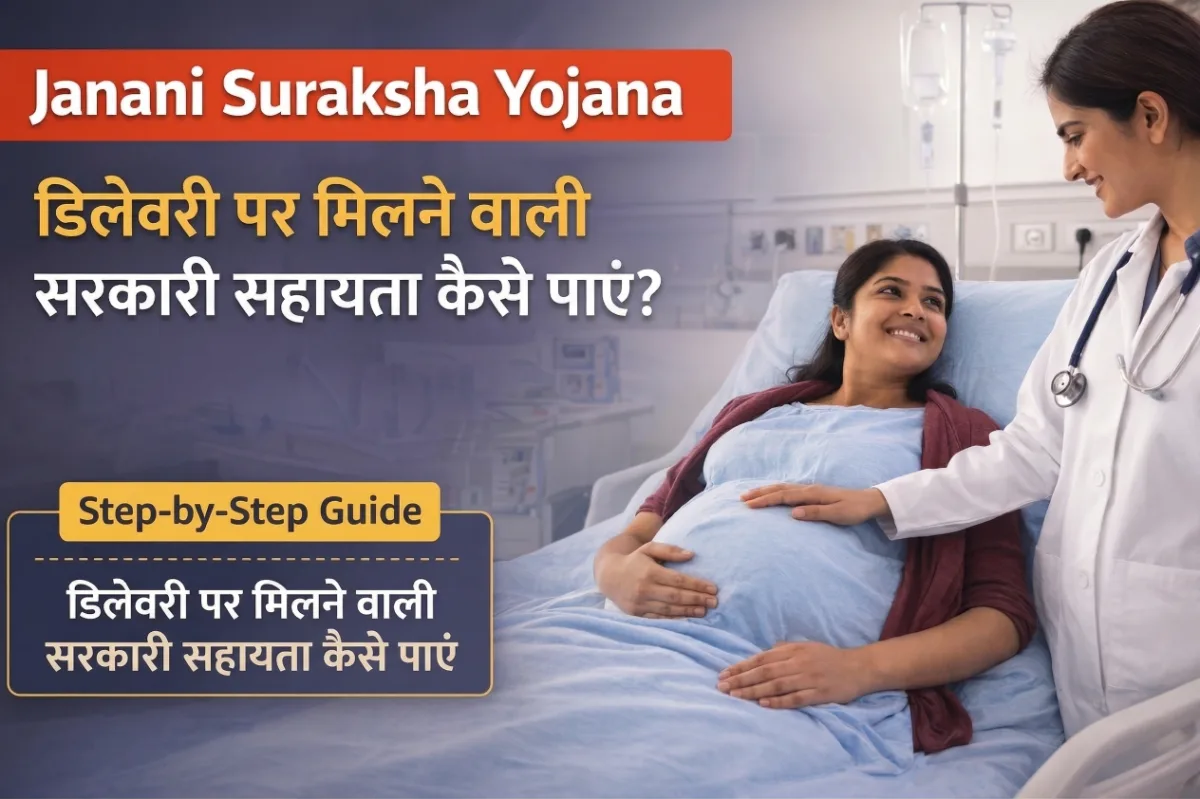
Janani Suraksha Yojana: डिलीवरी पर मिलने वाली सरकारी सहायता कैसे पाएं? Step-by-Step Guide
Janani Suraksha Yojana: भारत में maternal healthcare को लेकर सबसे बड़ी समस्या केवल medical infrastructure की कमी नहीं है, बल्कि timely decision-making और financial readiness की कमी भी है। कई मामलों में परिवार hospital delivery की importance समझते हुए भी खर्च के डर से delay कर देते हैं या local arrangements पर depend कर जाते हैं, जिससे risk बढ़ जाता है।
यहीं पर Janani Suraksha Yojana एक structured intervention के रूप में सामने आती है, जो केवल financial assistance नहीं देती, बल्कि एक पूरा system create करती है जहां pregnancy registration से लेकर delivery और payment तक हर step track होता है।
यह article उन लोगों के लिए है जो सिर्फ scheme के बारे में जानना नहीं चाहते, बल्कि यह समझना चाहते हैं कि ground level पर यह कैसे काम करती है, किन factors पर approval depend करता है, और क्यों कई eligible cases में भी payment delay या reject हो जाता है।
Janani Suraksha Yojana क्या है?
Janani Suraksha Yojana (JSY) को अगर surface level पर देखा जाए तो यह एक maternity benefit scheme है, लेकिन वास्तव में यह public health system के साथ integrated एक tracking-based support mechanism है।
इसका core objective institutional delivery को बढ़ावा देना है, क्योंकि data clearly दिखाता है कि hospital-based delivery maternal और infant mortality को significantly reduce करती है। इसी कारण यह योजना financial incentive के साथ-साथ behavioral shift भी target करती है, ताकि pregnant women hospital delivery को प्राथमिकता दें।
इस योजना की सबसे महत्वपूर्ण बात यह है कि यह standalone cash scheme नहीं है, बल्कि ASHA worker, Anganwadi system और government hospitals के coordination पर आधारित एक ecosystem है, जहां हर beneficiary को system में track किया जाता है।
Ujjwala Scheme: Free Gas Connection कैसे मिलेगा? Apply Guide
जननी सुरक्षा योजना की Eligibility
Janani Suraksha Yojana की eligibility को अगर सिर्फ official criteria के रूप में समझा जाए तो यह incomplete understanding होगी, क्योंकि actual approval कई practical conditions पर depend करता है।
Realistically, वे महिलाएं eligible होती हैं जो economically weaker background से आती हैं, जिनकी pregnancy system में register है और जिनकी delivery institutional setup में होती है। लेकिन eligibility का सबसे critical factor documentation consistency और process compliance है, जिसे अक्सर ignore कर दिया जाता है।
Ground level पर rejection के cases तब ज्यादा आते हैं जब pregnancy late stage में register की जाती है, delivery private unapproved setup में हो जाती है या beneficiary details जैसे Aadhaar और bank account में mismatch होता है।
यह समझना जरूरी है कि system eligibility को static criteria के रूप में नहीं, बल्कि continuous verification process के रूप में evaluate करता है। इसलिए eligibility का मतलब केवल “कौन apply कर सकता है” नहीं, बल्कि “कौन पूरी process को सही तरीके से follow कर सकता है” है।
Application & Implementation Process
इस योजना की सबसे बड़ी विशेषता यह है कि यह user-driven application system नहीं है, बल्कि system-driven implementation model पर काम करती है।
Pregnancy के शुरुआती चरण में ASHA worker या Anganwadi के माध्यम से registration किया जाता है, जहां beneficiary की details health records में enter होती हैं। इसके बाद पूरी pregnancy duration के दौरान tracking होती है, जिसमें health checkups, monitoring और delivery planning शामिल होती है।
Delivery government या approved facility में होने के बाद hospital discharge data system में upload किया जाता है, जिसके बाद backend verification process शुरू होता है। यह process पूरी तरह automated नहीं होता, बल्कि field-level data validation और approval chain पर depend करता है।
यहीं पर सबसे ज्यादा delays होते हैं, क्योंकि beneficiary को लगता है कि delivery के बाद पैसा automatically मिल जाएगा, जबकि actual में data accuracy, timely submission और verification completion जरूरी होता है।
Required Documents
इस योजना में documents केवल identity proof नहीं होते, बल्कि पूरे payment approval system का base होते हैं।
Aadhaar card, DBT-enabled bank account, pregnancy registration record और hospital discharge summary — इन सभी documents का perfectly aligned होना जरूरी है।
Practical level पर सबसे ज्यादा issues Aadhaar seeding और bank account inactivity के कारण आते हैं। कई बार beneficiary का account active नहीं होता या Aadhaar correctly link नहीं होता, जिससे DBT transaction fail हो जाता है।
इसलिए documents को केवल collect करना ही नहीं, बल्कि verify करना भी उतना ही जरूरी है, खासकर discharge के समय जब data final submit होता है।
जननी सुरक्षा योजना के Benefits
Janani Suraksha Yojana का impact केवल cash transfer तक सीमित नहीं है, बल्कि यह maternal healthcare behavior को change करने का एक strategic tool है।
इस योजना के तहत मिलने वाली financial assistance hospital delivery को financially feasible बनाती है, जिससे unsafe delivery practices कम होती हैं। इसके साथ ही ASHA worker support system pregnant women को पूरे process में guide करता है, जिससे awareness और compliance दोनों बढ़ते हैं।
DBT-based payment system transparency सुनिश्चित करता है और beneficiary को direct benefit मिलता है, जिससे middle-layer dependency कम होती है।
Long term perspective में यह योजना maternal mortality rate को कम करने, institutional healthcare utilization बढ़ाने और rural healthcare system को strengthen करने में महत्वपूर्ण भूमिका निभाती है।
Payment Flow & Timeline
Payment flow को समझना जरूरी है क्योंकि यहीं पर सबसे ज्यादा confusion होता है।
Delivery के बाद hospital और ASHA worker beneficiary data को system में update करते हैं, जिसके बाद verification process initiate होता है। यह verification केवल documents तक सीमित नहीं होता, बल्कि beneficiary status और delivery details की cross-checking भी शामिल होती है।
Verification complete होने के बाद payment DBT के माध्यम से transfer किया जाता है, जिसमें सामान्यतः 15 से 45 दिन का समय लगता है।
लेकिन ground reality में delays अक्सर data mismatch, incomplete records या bank linkage issues के कारण होते हैं, न कि scheme limitation के कारण।
Mukhyamantri Ladki Bahin Yojana: ₹1500 हर महीने पाने के लिए ये गलती न करें
Common Mistakes & Rejection Analysis
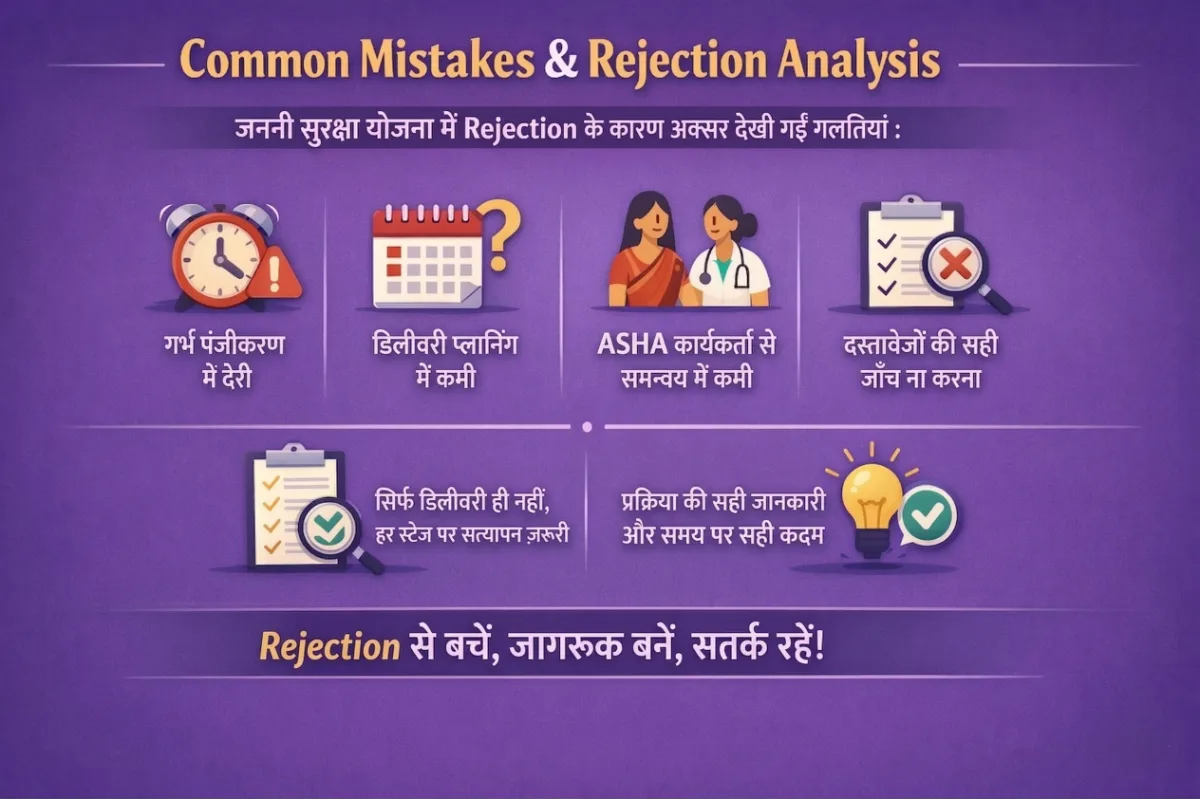
Janani Suraksha Yojana में rejection के cases largely predictable होते हैं, लेकिन awareness की कमी के कारण लोग इन्हें repeat करते रहते हैं।
सबसे common mistakes हैं — pregnancy registration में देरी, delivery planning में clarity का अभाव, ASHA worker के साथ coordination न रखना और documents verification को lightly लेना।
कई cases में beneficiary यह मान लेते हैं कि केवल delivery करवाना ही sufficient है, जबकि system data-driven है और हर stage पर validation required होता है।
इसलिए rejection को avoid करने का सबसे effective तरीका है process awareness और timely action।
Before You Proceed
इस योजना का लाभ लेने के लिए सबसे जरूरी है preparation और coordination। Pregnancy को early stage में register करना, bank account को DBT-ready रखना, Aadhaar linking ensure करना और delivery को institutional setup में plan करना — ये सभी factors मिलकर successful payment सुनिश्चित करते हैं।
अगर beneficiary इन factors को पहले से align कर लेती है, तो process smooth हो जाता है और delays significantly कम हो जाते हैं।
Who Should Avoid Applying
यदि beneficiary institutional delivery के लिए तैयार नहीं है या उसके पास valid identity और banking infrastructure उपलब्ध नहीं है, तो इस योजना का लाभ लेना practically difficult हो जाता है।
इसलिए बिना preparation के apply करना केवल process complexity और delay बढ़ाता है।
FAQ
Q1. Payment delay होने का सबसे common कारण क्या है?
सबसे common कारण Aadhaar और bank account mismatch या incomplete data submission होता है।
Q2. क्या ASHA worker का role जरूरी है?
हाँ, ASHA worker इस योजना का key link है, जो registration से लेकर payment तक पूरे process को coordinate करता है।
Q3. क्या delivery के तुरंत बाद पैसा मिल जाता है?
नहीं, पहले verification होता है और उसके बाद ही DBT के माध्यम से payment आता है।
Q4. क्या बिना registration के benefit मिल सकता है?
नहीं, pregnancy registration इस योजना का mandatory part है।
Q5. क्या यह scheme सभी राज्यों में एक जैसी है?
नहीं, benefit amount और कुछ conditions राज्य के अनुसार vary कर सकती हैं।
Conclusion
Janani Suraksha Yojana को केवल एक financial scheme के रूप में देखना इसकी पूरी understanding नहीं है, बल्कि यह एक integrated healthcare support system है जो safe motherhood को structured तरीके से promote करता है।
इस योजना का वास्तविक लाभ तभी मिलता है जब beneficiary process को समझकर हर stage पर सही तरीके से follow करे, क्योंकि यह system compliance और data accuracy पर आधारित है।
👉 Final insight:
यह योजना तभी effective है जब इसे “scheme” नहीं, बल्कि एक process-driven healthcare model के रूप में समझा जाए और उसी के अनुसार execute किया जाए।
Pradhan Mantri Matru Vandana Yojana 2026: ₹5000 पाने के लिए अभी आवेदन करें
Eligibility Criteria
anani Suraksha Yojana की eligibility को अगर सिर्फ official criteria के रूप में समझा जाए तो यह incomplete understanding होगी, क्योंकि actual approval कई practical conditions पर depend करता है।
Realistically, वे महिलाएं eligible होती हैं जो economically weaker background से आती हैं, जिनकी pregnancy system में register है और जिनकी delivery institutional setup में होती है। लेकिन eligibility का सबसे critical factor documentation consistency और process compliance है, जिसे अक्सर ignore कर दिया जाता है।
Ground level पर rejection के cases तब ज्यादा आते हैं जब pregnancy late stage में register की जाती है, delivery private unapproved setup में हो जाती है या beneficiary details जैसे Aadhaar और bank account में mismatch होता है।
यह समझना जरूरी है कि system eligibility को static criteria के रूप में नहीं, बल्कि continuous verification process के रूप में evaluate करता है। इसलिए eligibility का मतलब केवल “कौन apply कर सकता है” नहीं, बल्कि “कौन पूरी process को सही तरीके से follow कर सकता है” है।
Benefits
Janani Suraksha Yojana का impact केवल cash transfer तक सीमित नहीं है, बल्कि यह maternal healthcare behavior को change करने का एक strategic tool है।
इस योजना के तहत मिलने वाली financial assistance hospital delivery को financially feasible बनाती है, जिससे unsafe delivery practices कम होती हैं। इसके साथ ही ASHA worker support system pregnant women को पूरे process में guide करता है, जिससे awareness और compliance दोनों बढ़ते हैं।
DBT-based payment system transparency सुनिश्चित करता है और beneficiary को direct benefit मिलता है, जिससे middle-layer dependency कम होती है।
Long term perspective में यह योजना maternal mortality rate को कम करने, institutional healthcare utilization बढ़ाने और rural healthcare system को strengthen करने में महत्वपूर्ण भूमिका निभाती है।
Application Process
इस योजना की सबसे बड़ी विशेषता यह है कि यह user-driven application system नहीं है, बल्कि system-driven implementation model पर काम करती है।
Pregnancy के शुरुआती चरण में ASHA worker या Anganwadi के माध्यम से registration किया जाता है, जहां beneficiary की details health records में enter होती हैं। इसके बाद पूरी pregnancy duration के दौरान tracking होती है, जिसमें health checkups, monitoring और delivery planning शामिल होती है।
Delivery government या approved facility में होने के बाद hospital discharge data system में upload किया जाता है, जिसके बाद backend verification process शुरू होता है। यह process पूरी तरह automated नहीं होता, बल्कि field-level data validation और approval chain पर depend करता है।
यहीं पर सबसे ज्यादा delays होते हैं, क्योंकि beneficiary को लगता है कि delivery के बाद पैसा automatically मिल जाएगा, जबकि actual में data accuracy, timely submission और verification completion जरूरी होता है।
Documents Required
इस योजना में documents केवल identity proof नहीं होते, बल्कि पूरे payment approval system का base होते हैं।
Aadhaar card, DBT-enabled bank account, pregnancy registration record और hospital discharge summary — इन सभी documents का perfectly aligned होना जरूरी है।
Practical level पर सबसे ज्यादा issues Aadhaar seeding और bank account inactivity के कारण आते हैं। कई बार beneficiary का account active नहीं होता या Aadhaar correctly link नहीं होता, जिससे DBT transaction fail हो जाता है।
इसलिए documents को केवल collect करना ही नहीं, बल्कि verify करना भी उतना ही जरूरी है, खासकर discharge के समय जब data final submit होता है।
Scheme Details
| Full Name | Janani Suraksha Yojana: डिलीवरी पर मिलने वाली सरकारी सहायता कैसे पाएं? Step-by-Step Guide |
| Level | Central |
| Scheme For | Women |
| Ministry | Ministry Of Health & Family Welfare |
| Categories | Women and Child |
| States | All India |
| Gender | Female |
| Area | Both |
| Source | nhm.gov.in ↗ |
 Shrish Awasthi · 📅 28 Mar 2026
📌 Related Government Schemes



Shrish Awasthi is an Advocate (Bar Council Registered), Writer and Education Counselor specializing in education law, scholarship policies, and student welfare schemes. At ProjectSarthi, he reviews and verifies scheme eligibility criteria, application processes, and official documentation for accuracy. He has reviewed multiple government scheme and scholarship articles with a focus on legal compliance and source authenticity.
View all posts by Shrish Awasthi →